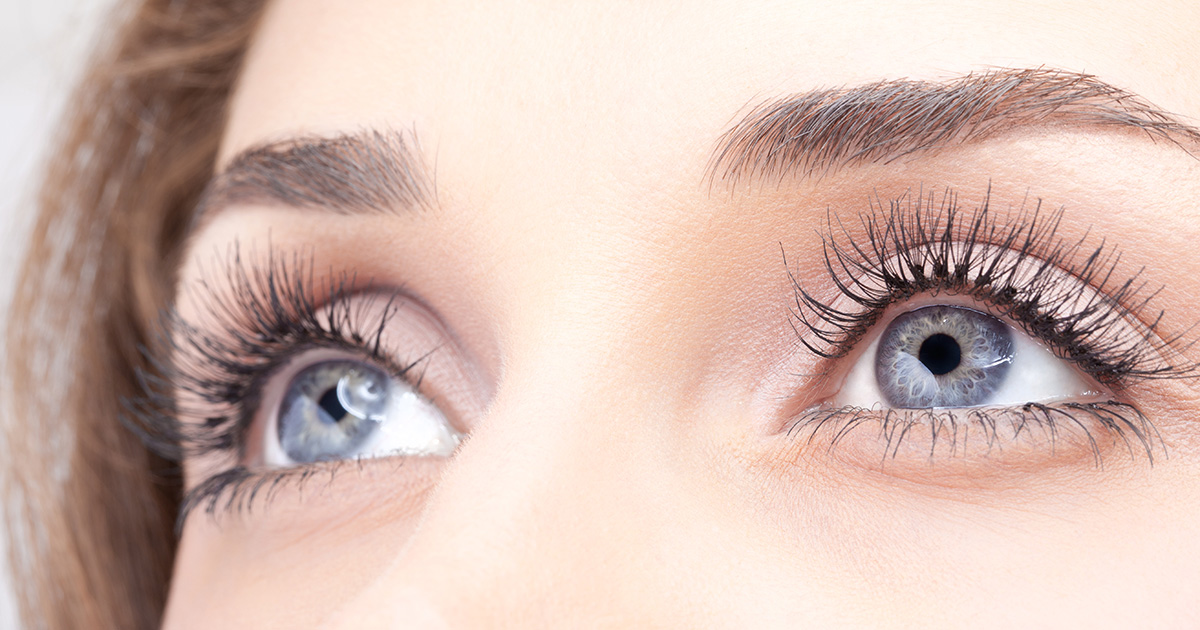
An eye fixed center is a specialized medical facility dedicated to the diagnosis of, treating, and managing conditions related to vision and eye health laser eye hong kong. In today’s world, where digital screens and environmental stressors are increasingly impacting eyesight, benefit of professional eye care has exploded significantly. An eye fixed center serves as a central place where individuals can receive comprehensive care for a wide range of visual needs.
From routine eye examinations to advanced surgeries, an eye fixed center provides services designed to maintain and improve vision. These facilities are staffed by trained professionals who specialize in ophthalmology and optometry, ensuring that patients receive accurate analysis and appropriate treatment.
Eye health is often overlooked until problems become noticeable, but regular visits to an eye center can help detect issues early and forestall long-term complications.
Benefit of regular eye examinations
One of the most essential services offered by an eye fixed center is routine eye examinations. These check-ups are crucial for maintaining good vision and identifying potential problems before they become serious.
During an eye fixed examination, specialists assess visual acuity, eye coordination, and overall eye health. They may also screen for common conditions such as nearsightedness, farsightedness, and astigmatism.
Regular check-ups are specifically important for those who spend extended stays using digital devices. Prolonged screen exposure can lead to eye strain, dryness, and fatigue, making preventive care essential.
Early prognosis of eye conditions allows for timely treatment, which can significantly improve outcomes and forestall further damage of vision.
Common services provided by an eye fixed center
An eye fixed center provides a wide range of services that cater to different factors of vision care. These services include diagnostic evaluations, corrective treatments, surgeries, and ongoing management of eye conditions.
Prescription of corrective contact lenses is one of the most common services. After an eye fixed examination, patients may be prescribed glasses or contact lenses to improve their vision.
Treatment of eye diseases is another critical function. Conditions such as cataracts, glaucoma, and macular deterioration require specialized care and ongoing monitoring.
Many eye centers also offer surgeries to correct vision problems or treat serious eye conditions. These procedures are performed using advanced medical technology to ensure precision and safety.
The role of technology in modern eye centers
Technology plays a vital role in enhancing the standard of care provided at an eye fixed center. Advanced diagnostic equipment allows specialists to detect even minor changes in eye health with high accuracy.
Imaging systems such as optical coherence tomography provide detailed views of the retina and other internal structures of the eye. This helps in the diagnosis of conditions at a young stage.
Laser technology is normally used in corrective eye procedures. These treatments can address refractive errors and improve vision without necessity for traditional precise methods.
Digital tools also assist in patient management, enabling better record-keeping and personalized treatment plans.
Common eye conditions treated at an eye fixed center
Eye centers are equipped to handle a variety of vision-related conditions. Probably the most common include refractive errors, cataracts, glaucoma, and dry eye affliction.
Refractive errors affect how light is focused in the eye, leading to blurred vision. These conditions are usually fixed with glasses, contact lenses, or laser procedures.
Cataracts involve clouding of the eye’s natural lens, which can hinder vision over time. Treatment often involves precise replacement of the affected lens.
Glaucoma is a condition that affects the optic neurological and can lead to vision loss if not treated early. Regular monitoring at an eye fixed center is essential for managing treatment plans.
Dry eye affliction is another common issue, especially among individuals who use digital devices frequently. Treatment occasionally includes eye falls and lifestyle adjustments.
Benefit of preventive eye care
Preventive care is a key focus of any eye center. By identifying potential issues early, specialists can help prevent serious complications and preserve vision.
Preventive measures include regular eye assessments, protective eye wear, and lifestyle recommendations. For example, reducing screen time and taking breaks during digital device use can help reduce eye strain.
Nutrition also plays a role in eye health. A balanced diet rich in vitamins and minerals supports overall vision and reduces the risk of certain eye conditions.
Schooling patients about proper eye care habits is an important part of preventive services provided by an eye fixed center.
Pediatric eye care and early involvement
Children require specialized attention when it comes to eye health. Many eye centers offer pediatric services to monitor and support vision development in young patients.
Early prognosis of vision problems in children is essential for their learning and development. Conditions such as lazy eye or out of line vision can impact educational performance if not treated early.
Regular eye assessments during childhood help ensure that vision develops properly and any issues are addressed promptly.
Pediatric eye care also involves schooling parents about signs of vision problems and the incredible importance of routine check-ups.
The impact of lifestyle on eye health
Modern lifestyles have a significant affect eye health. Increased screen time, contact with artificial lighting, and reduced outdoor activity can contribute to vision problems.
Eye centers often provide assistance with managing these lifestyle factors. Simple practices such as following the twenty twenty twenty rule during screen use can help reduce eye strain.
Wearing protective eye wear in bright environments and maintaining proper lighting while reading or working can also support eye health.
Regular visits to an eye center help individuals stay informed about how lifestyle choices affect their vision.
The future of eye care services
The future of eye centers is expected to be formed by continuous advancements in medical technology and treatment procedures. Artificial brains is needs to play a role in the diagnosis of eye conditions more quickly and accurately.
Telemedicine is also becoming more widespread, allowing patients to consult eye specialists remotely. This improves accessibility and convenience, for routine check-ups.
Innovations in precise techniques are making procedures safer and more effective, with faster recovery times for patients.
As research continues, new treatments and preventive strategies will further improve the standard of eye care.
Conclusion
An eye fixed center plays a vital role in maintaining and improving vision health. Through comprehensive services, advanced technology, and specialized care, these facilities help individuals protect one of their most important sensory faculties.
From routine check-ups to advanced treatments, eye centers provide essential support for people of all ages. Preventive care, early prognosis, and lifestyle awareness all contribute to long-term eye health.