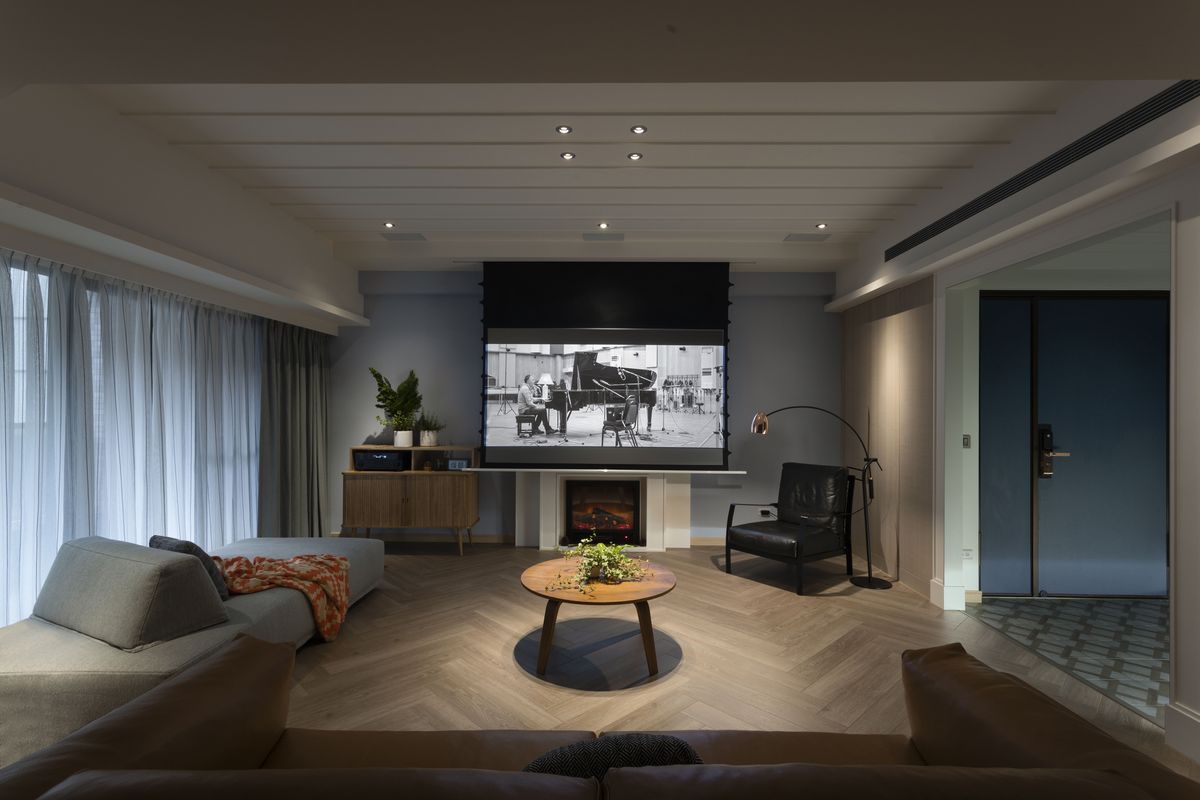
In today’s fast-paced world, home design has evolved far beyond simply arranging furniture and selecting paint colors. It encompasses a of utilizing holistic approach that integrates appearance, functionality, sustainability, and personal lifestyle. A well-designed home not only demonstrates the personality and preferences of its occupants but also enhances comfort, productivity, and overall well-being. Home design has become a crucial area of modern living, as people increasingly seek spaces that are successfully appealing, efficient, and adaptable to changing needs.
One of the most significant trends in contemporary home design is the increased exposure of open, flexible templates. Open floor plans allow for a seamless flow between living spaces, creating a sense of expansiveness and connection. Kitchens, dining areas, and living rooms often blend into one continuous space, encouraging social interaction and flexibility. Flexible design also reaches to multifunctional rooms that can serve as offices, play areas, or guest accommodations. By prioritizing open and versatile templates, homeowners can make the most of available space while maintaining a harmonious and inviting environment.
Lighting plays a vital role in home design, influencing the mood and functionality of a space. Natural light is highly valued in modern rooms, as it enhances appearance, supports health, and reduces energy consumption. Large windows, skylights, and glass doors are generally used to maximize sunshine. Adding to natural light, well-planned artificial lighting—including background, task, and accent lighting—creates layers of lights that adjust to different activities and times of day. Innovative lighting design not only highlights industrial features and decor but also contributes to the comfort and usability of the room.
Color schemes are another essential element of home design 裝修. The option of colors can impact the perception of space, bring to mind emotions, and unify the overall aesthetic. Natural tones, such as beige, dreary, and white, often serve as a versatile base, providing flexibility to add in accent colors through furniture, artwork, or fabrics. Bold colors can be used strategically to create things, add energy, or express identity. Modern home design frequently employs matched up color palettes that flow faultlessly from room to room, creating cohesion and enhancing the visual experience.
Furniture selection and placement are integral to the functionality and style of a home. Designers often prioritize pieces that combine usefulness with aesthetic appeal. Modular furniture, multifunctional items, and ergonomic desk designs are particularly popular, as they maximize comfort and efficiency without sacrificing style. In home design, arranging furniture to encourage conversation, improve traffic flow, and define functional specific zones enhances the overall livability of a space. The right furniture choices can transform a house into a comfortable, practical, and successfully pleasing home.
Incorporating natural elements has become increasingly important in home design. Biophilic design principles emphasize the integration of nature into living spaces, creating a connection between indoor environments and the outdoors. Plants, natural wood, stone decorations, and water features contribute to a calming, regenerative atmosphere. Homes that incorporate natural textures and elements not only appear more inviting but also support mental and physical well-being. The use of sustainable and eco-friendly materials aligns with this trend, as homeowners seek green responsible options that enhance both appearance and functionality.
Technology is another transformative area of modern home design. Smart home systems, including automated lighting, climate control, security, and entertainment, offer convenience and efficiency. Integrating technology faultlessly into the home enhances comfort while maintaining a clean, modern aesthetic. Home design today often balances cutting-edge innovation with timeless style, ensuring that technology enhances the living experience without overwhelming the overall look and feel of the space.
Storage solutions are a critical, yet sometimes overlooked, part of home design. Innovative storage prevents clutter, improves organization, and contributes to the overall harmony of a space. Built-in cabinets, hidden chambers, sailing shelves, and multifunctional furniture all play a role in creating a streamlined and efficient home. In modern design, storage is often integrated faultlessly, maintaining a clean and minimal aesthetic while providing maximum usefulness for daily life.
Sustainability has become a building block of contemporary home design. Energy-efficient appliances, solar panels, low-VOC paints, and sustainable materials are increasingly prioritized. Sustainable home design not only reduces environmental impact but also promotes long-term cost benefits and healthier living conditions. Designers and homeowners alike recognize benefit of fabricating spaces that are green responsible while remaining functional and stylish. This focus on sustainability demonstrates a bigger societal shift toward conscious living and innovative resource use.
Personalization is a key factor in home design, allowing spaces to reflect the unique tastes, lifestyles, and experiences of their occupants. Incorporating personal artwork, pictures, heirlooms, and curated decor creates an awareness of identity and owed. Custom-built furniture, tailored color palettes, and considerately designed templates ensure that a home is not only beautiful but also deeply meaningful. Personalized design improves daily life, adjusting a house into a haven that supports comfort, creativity, and emotional well-being.
Home design also reaches to outdoor living spaces, which are increasingly viewed as integral components of the overall environment. Patios, gardens, balconies, and roof terraces expand workable living areas while offering opportunities for relaxation, entertainment, and experience of nature. Incorporating outdoor spaces into home design requires careful consideration of layout, materials, and lighting, ensuring that these areas complement the interior design and provide functional, aesthetically pleasing environments for a variety of activities.
Incorporating art and decor is essential for creating character and enhancing the overall look of a home. Home design involves selecting artwork, sculptures, fabrics, and decorative elements that reflect style while harmonizing with the overall aesthetic. Proper placement and innovative curation of decor transform spaces, making them more engaging, inviting, and personal. Art and decoration in home design also serve as tools for storytelling, allowing homeowners to express their tastes, values, and experiences successfully.
Acoustics and sound management are gaining recognition in home design as well. Proper acoustics enhance comfort and functionality, particularly in open-plan templates, media rooms, or home offices. Soundproofing, strategic keeping furnishings, and the use of soft materials help create peaceful, enjoyable spaces. Awareness of acoustics ensures that homes are not only successfully appealing but also sensory-friendly environments that support relaxation and concentration.
Ultimately, home design is a comprehensive and multidimensional process that balances appearance, functionality, comfort, and personal expression. It requires innovative planning, awareness of detail, and a clear vision of how each space contributes to the overall experience of living. From open templates and natural light to personalized decor, sustainable materials, and integrated technology, every element plays a role in by using a place that is both beautiful and practical.