Hearing loss affects millions of people worldwide, and choosing the right hearing aid can dramatically improve quality of life. With so many options available, understanding the differences between devices is crucial. A thorough hearing aid comparison can help you identify the features, styles, and technologies that best match your lifestyle, hearing needs, and budget. This guide explores key factors to consider when evaluating hearing aids and highlights what makes each type unique.
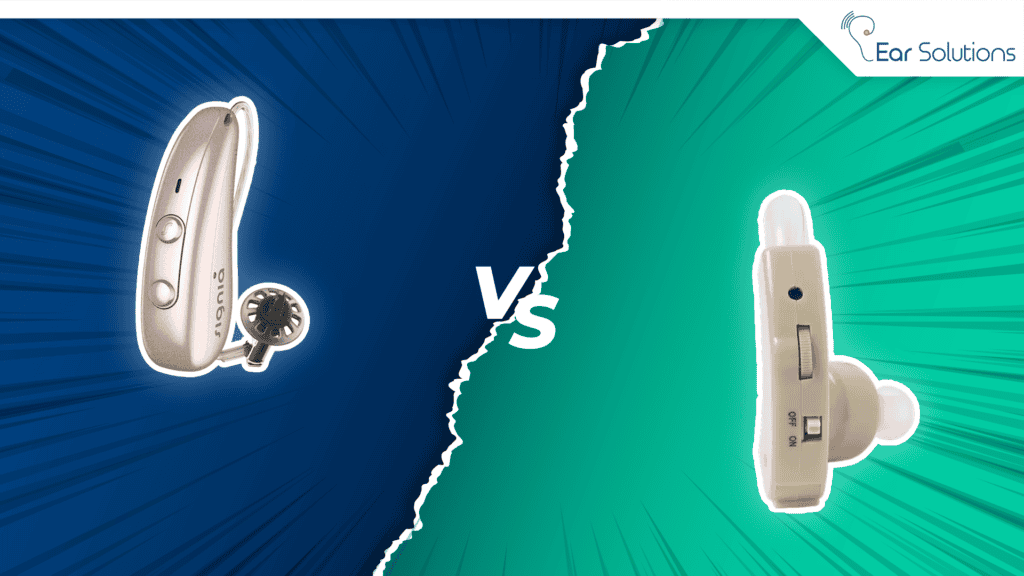
The first step in a hearing aid comparison is understanding the range of styles available. Hearing aids generally fall into two broad categories: behind-the-ear and in-the-ear. Behind-the-ear devices sit comfortably behind the ear and direct sound into the ear canal through a tube or receiver. These devices are highly versatile and can accommodate a wide range of hearing loss levels. They are also capable of supporting advanced features such as directional microphones, noise reduction, and Bluetooth connectivity 助聽器款式. Many users prefer behind-the-ear models for their durability and longer battery life, making them ideal for people with active lifestyles or more severe hearing loss.
In-the-ear hearing aids, on the other hand, are custom molded to fit directly in the ear canal. This category includes full-shell, in-the-canal, and completely-in-canal models. The primary advantage of in-the-ear devices is their discreet appearance. They are less visible than behind-the-ear models and often provide a comfortable, natural fit. However, smaller in-the-ear models may have shorter battery life and fewer features due to space limitations. When conducting a hearing aid comparison, it is important to balance aesthetics with functionality to ensure the device meets both your practical and personal preferences.
Sound quality is another critical aspect of any hearing aid comparison. Modern devices employ digital signal processing to enhance clarity, reduce background noise, and improve speech recognition. Advanced models can automatically adjust to different listening environments, offering a more seamless experience in restaurants, busy streets, or quiet settings. Some hearing aids also include directional microphones that focus on sounds in front of the wearer while minimizing unwanted background noise. Evaluating the sound performance of different devices can help you determine which option will provide the clearest and most natural hearing experience.
Battery life is a practical consideration that often influences hearing aid comparison. Traditional devices rely on disposable batteries, which need regular replacement. Rechargeable hearing aids, however, use lithium-ion technology to deliver full-day performance on a single charge. Rechargeable models offer the convenience of nightly charging, reduce environmental waste, and eliminate the hassle of frequent battery changes. For users who prefer low-maintenance options, rechargeable devices often rank highly in a hearing aid comparison.
Connectivity and smart features are increasingly important in modern hearing aids. Many devices now offer Bluetooth compatibility, allowing users to stream phone calls, music, and other media directly into the hearing aid. Some models even provide smartphone apps for fine-tuning settings, adjusting volume, or switching programs on the go. Remote support is another advancement, enabling hearing care professionals to adjust device settings without an in-person visit. Comparing devices with smart technology features can be especially useful for users who rely heavily on digital devices or seek a more integrated hearing experience.
Comfort and fit play a major role in hearing aid selection. Because these devices are worn for extended periods, an ill-fitting hearing aid can cause irritation or discomfort. Behind-the-ear models are designed with ergonomic shapes to sit securely without pressure points, while in-the-ear devices are custom molded for a precise fit. Venting options and soft ear tips help reduce the “plugged ear” sensation and improve overall comfort. Including comfort as a factor in your hearing aid comparison ensures that the device will be wearable throughout the day and support consistent usage.
Cost is another consideration in any hearing aid comparison. Prices vary widely depending on style, technology, and brand. While more advanced devices may come with higher price tags, they often provide superior sound quality, connectivity, and convenience. Less expensive models can still meet basic hearing needs effectively but may lack advanced features. Evaluating your priorities and budget helps narrow down options and ensures that the selected hearing aid provides good value for your specific requirements.
User reviews and professional recommendations are also valuable in a hearing aid comparison. Hearing care specialists can offer insights into device reliability, performance, and suitability for different types of hearing loss. Online reviews from real users provide additional perspectives on comfort, ease of use, and sound quality in everyday situations. Combining professional guidance with user feedback creates a comprehensive understanding of how different devices perform in real life.
Another aspect to consider in a hearing aid comparison is the type of hearing loss being addressed. Some devices are better suited for mild hearing loss, while others provide the power needed for moderate to severe hearing impairment. Audiologists can assess hearing thresholds and recommend devices that optimize amplification without distortion. Matching the device’s capabilities to the user’s specific hearing profile is essential to achieving the best outcomes.
Durability and maintenance are further considerations. Behind-the-ear devices are generally more robust and easier to clean, whereas small in-the-ear models can be more delicate. Regular maintenance, such as cleaning ear molds and replacing batteries, ensures long-term performance. Hearing aid comparison should include an evaluation of ease of maintenance and the longevity of the device.
In summary, a thorough hearing aid comparison involves evaluating style, sound quality, battery life, connectivity, comfort, cost, and suitability for your type of hearing loss. By carefully examining these factors, users can make informed decisions and select a device that enhances communication, convenience, and overall quality of life. Modern hearing aids combine cutting-edge technology with ergonomic design to meet diverse needs, making it easier than ever to find a solution that fits your lifestyle.